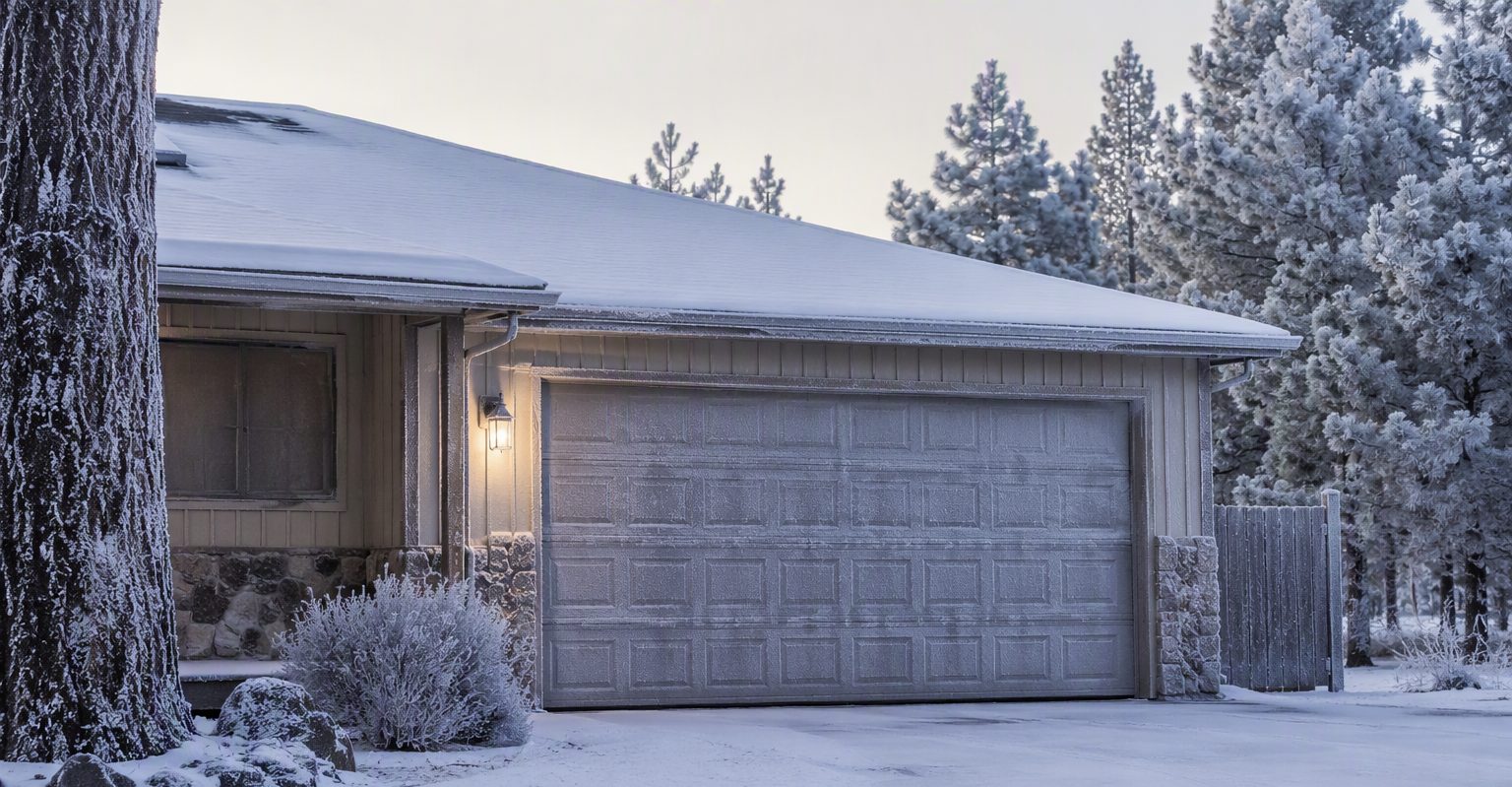
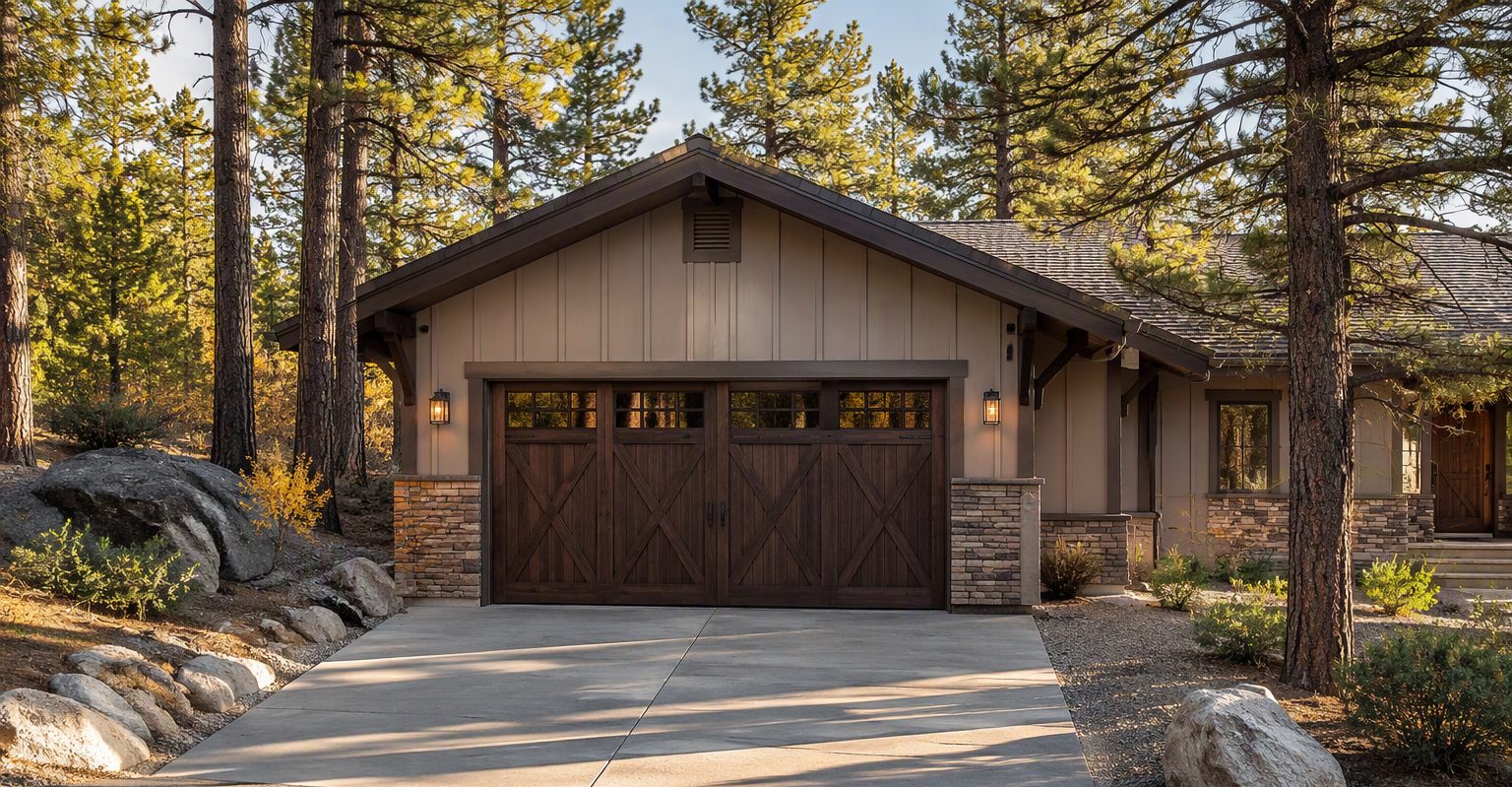
A garage door is a few hundred pounds of moving wall cycling a thousand-plus times a year through the full mile-high swing — July monsoons and dust storms, hard January freezes, and sun at elevation that ages everything faster. It asks almost nothing in return: thirty minutes before the monsoons, thirty before the freeze, and an honest look at the parts that announce their wear. Here’s the whole routine, in order.
May: before the monsoons
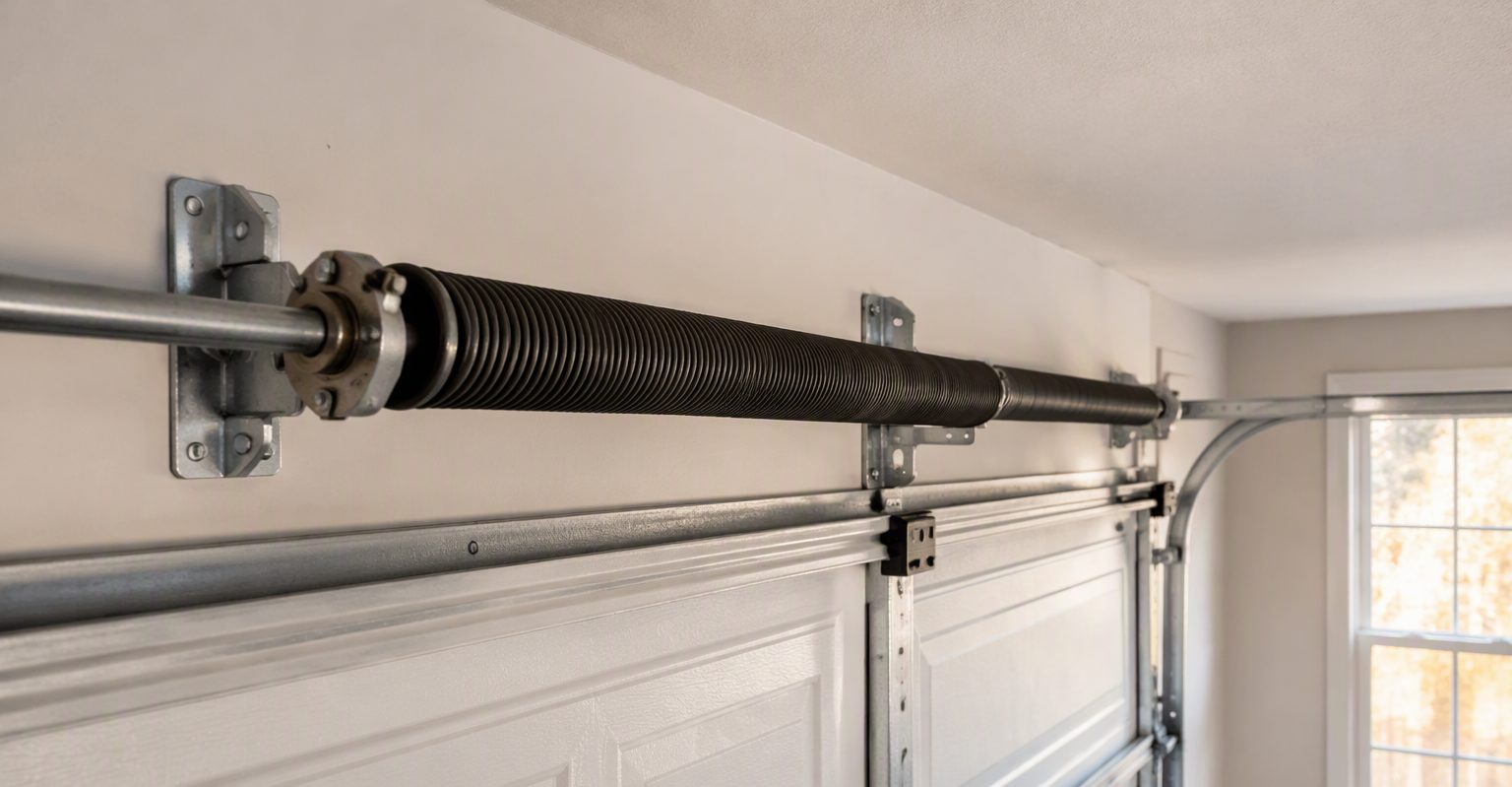
Late spring is the first session, because July is when neglected doors take their beating. Clear the tracks of dust and grit — the dry season packs it in, and the first haboob adds a fresh coat. Lubricate the moving steel: rollers (the stems and bearings, not the tracks), hinges, the spring’s coils, and the lock hardware — a garage-door-rated lubricant or plain silicone spray, never heavy grease that turns to glue in the heat. Check the bottom seal and weatherstrip now: monsoon downpours drive water under a tired seal, and the sun has been cooking that rubber since last summer. And test the balance — opener released, door lifted to waist height; a healthy door stays put, a drifting one has springs losing tension.
October: before the freeze
Fall is the damage assessment and the winter prep in one. Look at what monsoon season did: dust ground into rollers and hinges, water staining at the bottom brackets, any track that took a shove from a microburst gust. Re-lubricate whatever the summer stripped. Check the sections for sun-cracking and the seals for brittleness — a seal that’s cooked going into winter is a door iced to the driveway by December. And test the safety reverse — a 2x4 laid flat under the door should reverse it on contact, every time, no exceptions.
The monthly two minutes
Between sessions: watch the door move. A smooth door is silent about its health; a shuddering, jerking, or newly loud door is filing a report. Glance at the cables for fraying — the individual strands part one at a time before the cable goes. And check that both sensor lights at the floor are solid, not blinking — dust haze after a windy week is enough to fog a photo-eye. Two minutes a month is the difference between catching a worn roller and replacing the track it destroyed.
What NOT to do
Three things stay off the DIY list. Don’t lubricate the tracks themselves — they’re meant to be clean and dry; lubricant in the track attracts grit and lets the rollers slide instead of roll. Don’t touch the springs’ adjustment or the cable hardware under tension — that’s the stored-energy part of the system, and it has a genuine injury record. And don’t crank the opener’s force settings to overpower a struggling door — you’re defeating the safety system to avoid fixing the cause. The door’s telling you something; listen instead.
The professional pass
Once a year — or any time the door’s behavior changes — a tune-up visit catches what the routine can’t: spring tension measured against the door’s weight, opener force and travel verified, hardware torqued, cables inspected strand by strand. It’s the small-money visit that keeps the big-money visits away. Around here we think of it like the swamp cooler start-up of the garage — nobody notices it working, and everybody notices when it’s skipped for three years.