Nobody should learn repair pricing standing in their own driveway with a broken door. Here’s the honest lay of the land for the Prescott area — what the common jobs typically run, what pushes a job toward the top or bottom of its range, and the questions that keep the invoice honest. Ranges, not promises: every door is its own weight, size, and history, and the written quote after diagnosis is the number that counts.
Spring replacement: the classic call
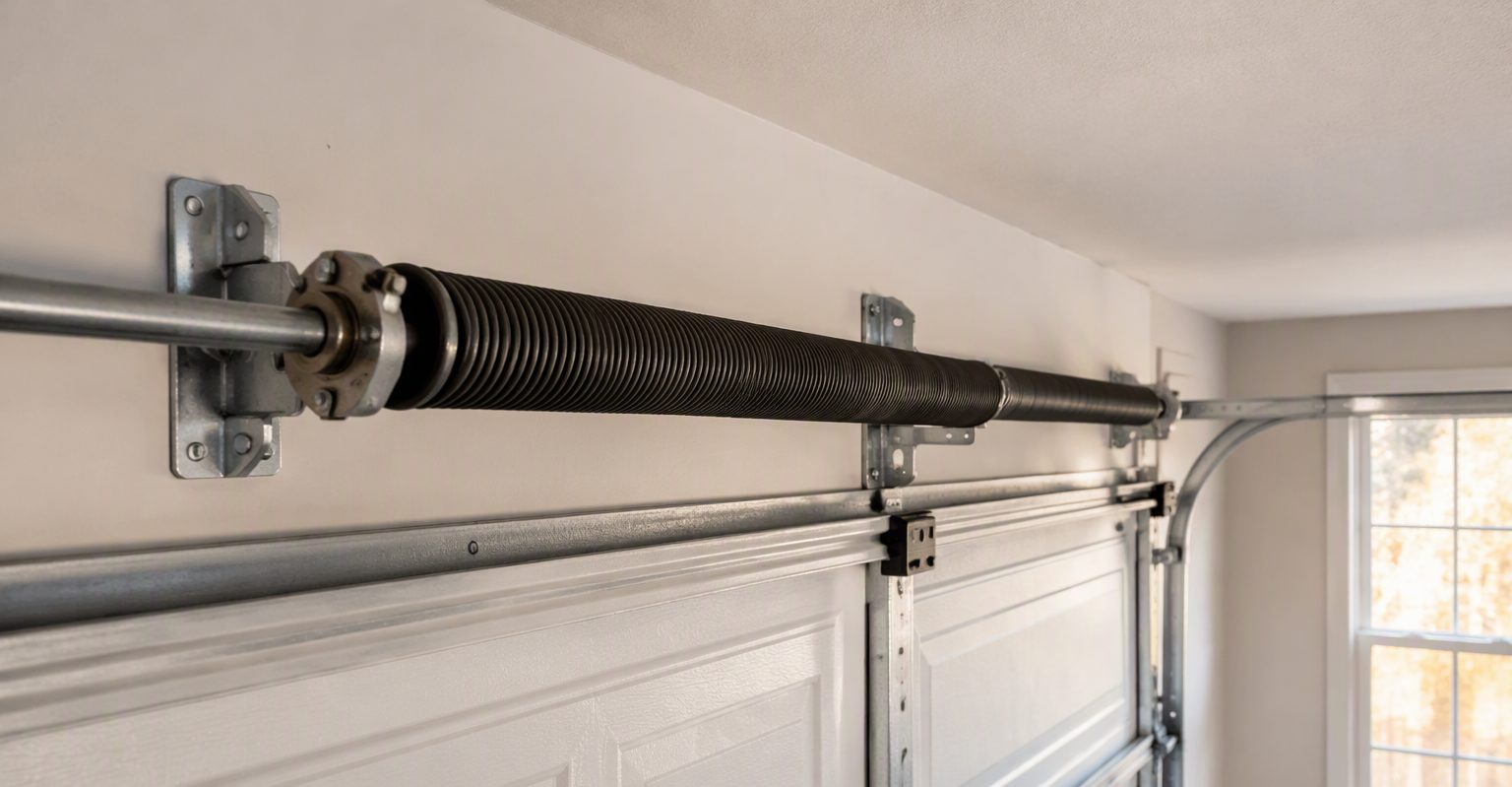
The most common repair in the trade. A standard torsion spring swap typically lands in the low-to-mid hundreds, with the variables being spring size (heavier doors take heavier springs), one spring or two (two-spring doors should get both — identical mileage), and cycle rating (standard ten-thousand-cycle vs. high-cycle upgrades). If a quote for a straightforward swap starts climbing toward opener-replacement money, ask what’s driving it.
Cables, rollers, and hardware: the supporting cast
Cable replacement usually runs modest — the part is simple, the labor is the reset and rebalancing. Rollers are similar: a full set of nylon rollers is one of the best-value upgrades on an older door, quieting it dramatically for small money. Hinges, brackets, bearings, and drums are all in the same tier — inexpensive parts, quick labor, often bundled into a single visit with a spring job for little more than the parts.
Opener repair vs. replacement
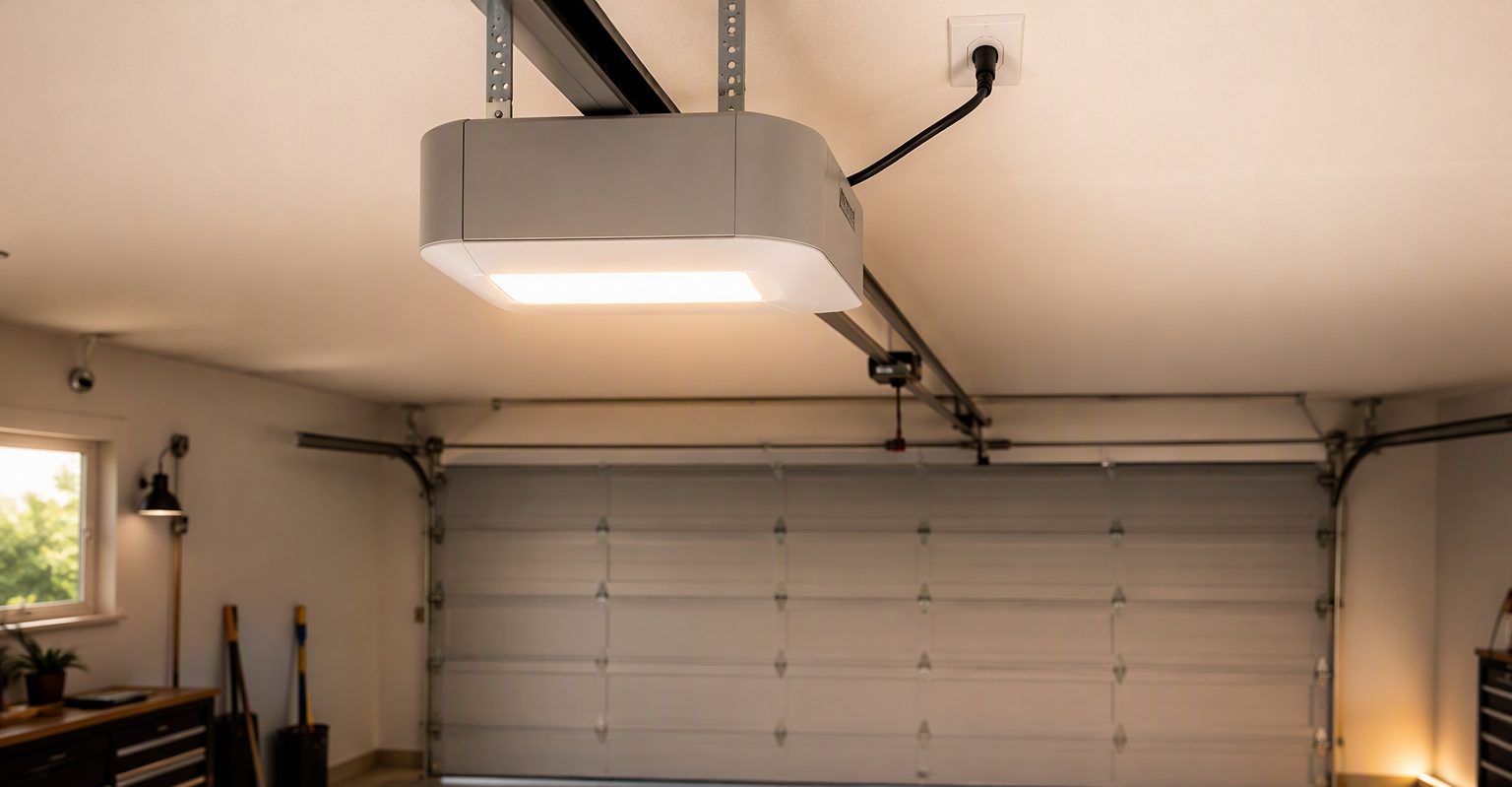
The gear kit — the classic stripped-gear repair on a solid unit — is typically a fraction of replacement. Sensor alignment and wiring fixes are smaller still. Full opener replacement runs more, with belt-drive and battery-backup units at the top of the range and basic chain-drive at the bottom. The honest math: if the unit is past ten years and needs a board, replacement usually wins; if it’s mid-life and needs a gear kit, repair wins by a mile.
Panels, sections, and doors
A single replacement section, when the model is current, runs a few hundred plus labor — often the smart money on a sound door. When sections stack up or the door is discontinued, the math tips to full replacement: a new insulated steel door installed typically runs from the high hundreds into the low thousands depending on size, insulation, and style. Carriage and custom designs sit at the top; standard raised-panel is the value tier.
What moves a price inside its range
Four things, mostly: door size and weight (a heavy double door takes heavier springs and more labor), timing (after-hours emergency dispatch carries an honest premium — quoted before anyone rolls), condition (a door that’s been forced crooked adds track and hardware work), and choices (high-cycle springs, quiet rollers, battery-backup openers). One more local wrinkle: access. A steep cabin drive in the pines or a ranch road outside Paulden can shape scheduling — you’ll hear any of that on the phone, not on the invoice. None of it should be a surprise — the written quote itemizes everything before work starts.
The questions that keep it honest
Ask three things of any quote: Is it itemized? (Parts and labor, line by line.) Is it firm? (The number doesn’t move mid-job without your signature.) And what does it include? (Rebalancing, lubrication, and the safety test should ride with every repair — not as add-ons.) A provider who answers those three cleanly is a provider whose invoice you can trust. Around here, that’s the whole standard.